What Is a 3D Adjustable Hinge and Why It Matters in Modern Door Systems
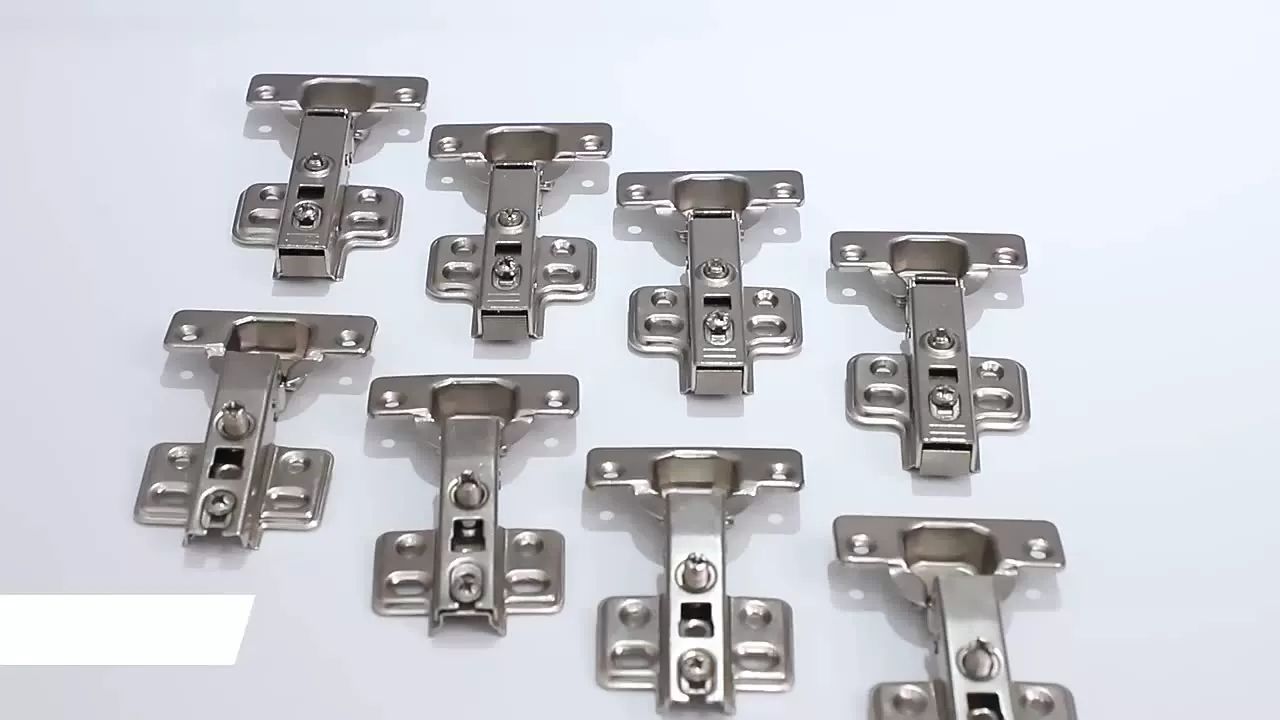
A 3D Adjustable Hinge is a door hinge that can swing left to right, up to down, and in to out once installed. This helps to make fitting the doors easier to control and prevents rework during fitting. In many construction applications, doors will drag, rub, or fail to open and close properly due to small misalignments. This type of system can address those problems without removing the door. This hinge type has become part of the architectural hardware product lines of many brands, including Akada, to provide the stability required for various door configurations across a range of project situations.
What a 3D Adjustable Hinge Is
The 3D adjustable hinge lets installers adjust the door position after installation. Unlike fixed hinges, it has a screw that enables slight movement at various angles, helping to adjust spacing without breaking the setup. It’s common in wood, metal, or composite doors requiring precise alignment during final installation.
Why Doors Need Adjustment Options
During construction, door frames aren’t always level. Any alteration in the wall or frame, no matter how small, may influence the fit of a door. To correct these minor errors, an adjustable hinge is provided. If not removed, installers might disassemble components, taking more time. That’s why adjustable systems are becoming popular in buildings.
Movement in Three Directions
Three types of movement control are referred to in the hinge name as “3D.” Adjust spacing between the door and frame with side-to-side movement. Vertical movement resolves a problem related to height, such as dragging. Depth movement refers to the tightness of the door to the frame. Together, these adjustments help achieve a balanced fit without altering the door’s structure.
Fit During Installation
As the door is being installed, there will typically be slight discrepancies between the frame and the door leaf. A fine adjustment hinge supports this adjustment, helping to correct these gaps on-site. In many projects, Akada provides hinge systems that are suitable for such corrections, minimizing the need for additional drilling or repositioning. This will ensure a more controlled fitting process, particularly for large-scale construction projects.
Door Alignment Over Time
Over time, doors can shift slightly from their normal position due to normal use, temperature changes, or building settling. Once this occurs, there is little correction a fixed hinge can provide. Small corrections are possible even months or years later, thanks to a 3D adjustable hinge. This will ensure adequate closing action and prevent rubbing or misalignment, which can affect normal operation.
Load Handling and Daily Use
The weight of doors depends on the material and size. Heavier doors will put greater stress on hinges, causing them to gradually become misaligned. This can be controlled with the adjustable hinges, enabling correction every so often. Akada offers hinge options designed for heavy-load situations that ensure smoother motion, even in frequently used entrance areas like offices or public structures.
Where These Hinges Are Used
These hinges are used in residential apartments, offices, hotels, and retail, especially in high-traffic areas or where aesthetics and ease of use matter. They are frequently selected for projects where long-term alignment issues are a concern and many doors are involved.
Installation Process in Simple Terms
First, the hinge body is attached to the door and frame. The position is adjusted with small screws on the hinge after the door is hung. One direction of movement is controlled by each screw. Space and closure are monitored by the installer after every minor modification. Akada offers systems with hardware that accommodate this adjustment, making it easier for installers to achieve proper alignment without removing the door.
Material and Build Quality
The function of the 3D adjustable hinge is bound up with its substance and construction. Stainless steel or zinc hinges are strong and hold weight. Cheap hinges can loosen or misalign. Brands like Akada focus on quality that lasts and handles tough conditions.
Why It Matters in Modern Door Systems
A 3D adjustable hinge minimizes installation errors and ensures long-term door performance. It offers an on-the-job solution to correct alignment without disassembly. In large projects, this can save time and reduce the number of changes. Akada uses this type of hinge across its product range to facilitate smoother installations and long-term stability of door opening and closing in various building types.
Conclusion
A 3D adjustable hinge is a convenient tool to adjust the alignment of many doors during and after installation. It allows for small adjustments in all directions, which facilitates proper door closure and, over time, keeps doors aligned. This will minimize maintenance and the daily usage of the equipment. This type of hinge has become a standard option in contemporary construction, where uniformity and precision are paramount.